
CanN2ONet - Researchers join forces to improve nitrogen use efficiency
CanN2ONet – Researchers join forces to improve nitrogen use efficiency
Producers are often faced with the question: How can I increase on-farm input efficiency? The same question is top-of-mind for scientists and industry alike. Key questions include:
- How to measure nitrogen use efficiency?
- Which factors and practices improve nitrogen use efficiency?
- What are my region-specific best management practices?
- What does the cost-benefit of these practices look like?
CanN2ONet was established to address these questions. It is a national research network focused on improving how nitrogen is managed in Canadian agriculture, with the goal of delivering practical insights that support both farm productivity and environmental performance.
For producers, nitrogen is one of the most important and costly inputs. Getting it right is critical not only for optimizing yield, but also for improving nitrogen use efficiency (NUE). A higher NUE is beneficial to all as the applied nitrogen fertilizer is utilized by the crop rather than lost to the environment. Nitrogen losses can occur through pathways such as volatilization, leaching, and denitrification, with the latter one causing nitrous oxide (N2O) emissions. Nitrogen loss pathways represent both an economic loss to farmers and an environmental cost to the planet.
CanN2ONet brings together researchers, industry, and government to better understand these loss pathways under real-world conditions. Using a network of benchmark sites across Canada, the project measures nitrogen cycling and N2O emissions across different soils, climates, and management systems that represent the on-farm realities of the region. This large-scale, coordinated approach is helping to generate the robust, field-based data needed to evaluate how different practices perform.
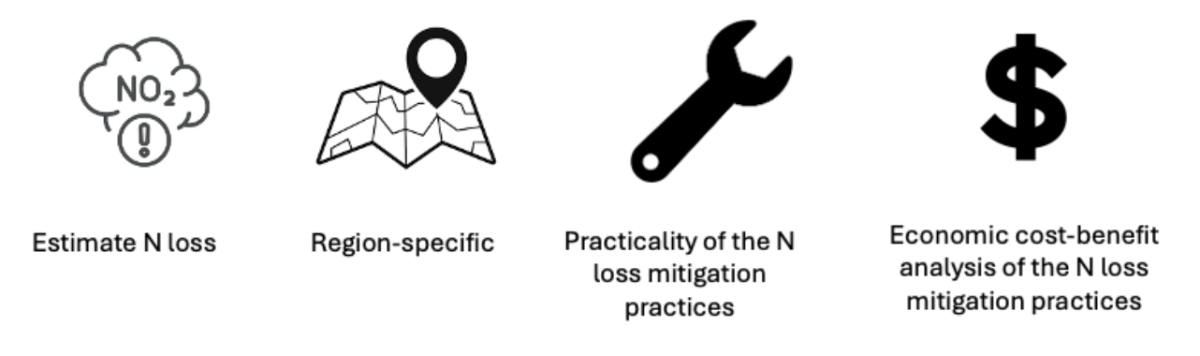
A key focus is identifying and refining 4R best management practices (right rate, right time, right place, and right source) that improve NUE while maintaining or increasing yields. Importantly, CanN2ONet is also examining the economic and practical realities of adopting these practices, ensuring recommendations are grounded in on-farm feasibility.
CanN2ONet’s Alberta benchmark sites capture both dryland and irrigated systems. In collaboration with Olds College, the Olds site focuses on dryland cropping, examining how variable-rate nitrogen and dual-inhibitor fertilizers can better match nitrogen supply with crop demand and minimize losses. In Lethbridge, in collaboration with Lethbridge Polytechnic, the irrigated site investigates how irrigation interacts with dual-inhibitor fertilizers to influence nitrogen use efficiency and losses. Together, these sites provide complementary insights to support more efficient fertilizer management across Alberta.
By linking science with real-world application, CanN2ONet aims to provide producers with clear, evidence-based guidance to optimize nitrogen use. The result is a win-win: improved efficiency and profitability on the farm, alongside reduced environmental impact and long-term agricultural sustainability. For more information on CanN2ONet, you can visit the website (https://cann2onet.org/), check out the LinkedIn page, or reach out to the project manager Erin Daly at edaly02@uoguelph.ca.
Stay tuned for the findings from CanN2ONet on practical ways to improve NUE on-farm!
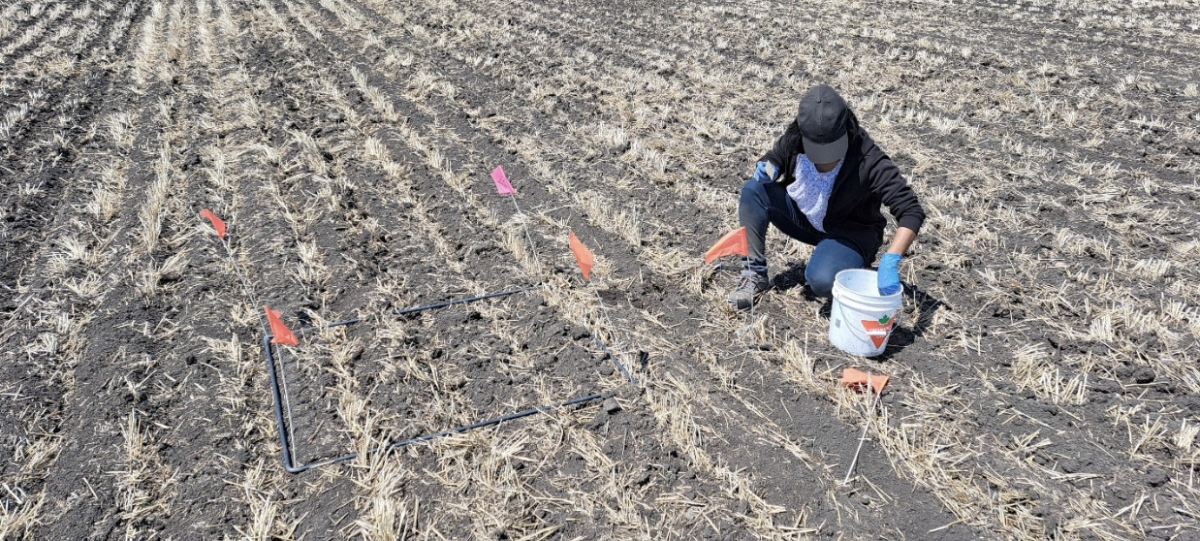
Figure 1. Research Assistant Vishnupriya setting up a 15N tracing experiment in Olds
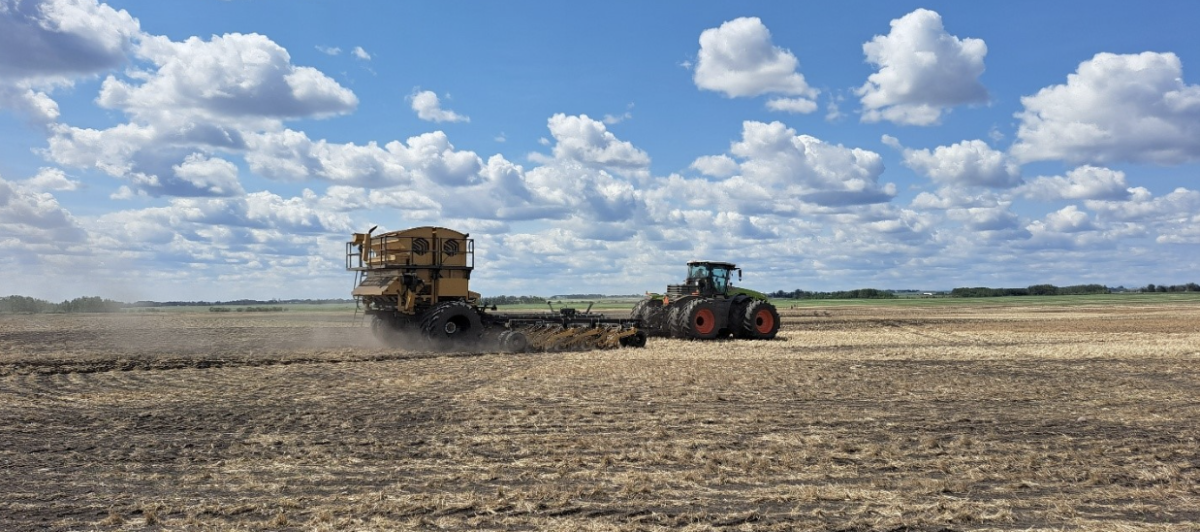
Figure 2. Seeding Operations in Olds
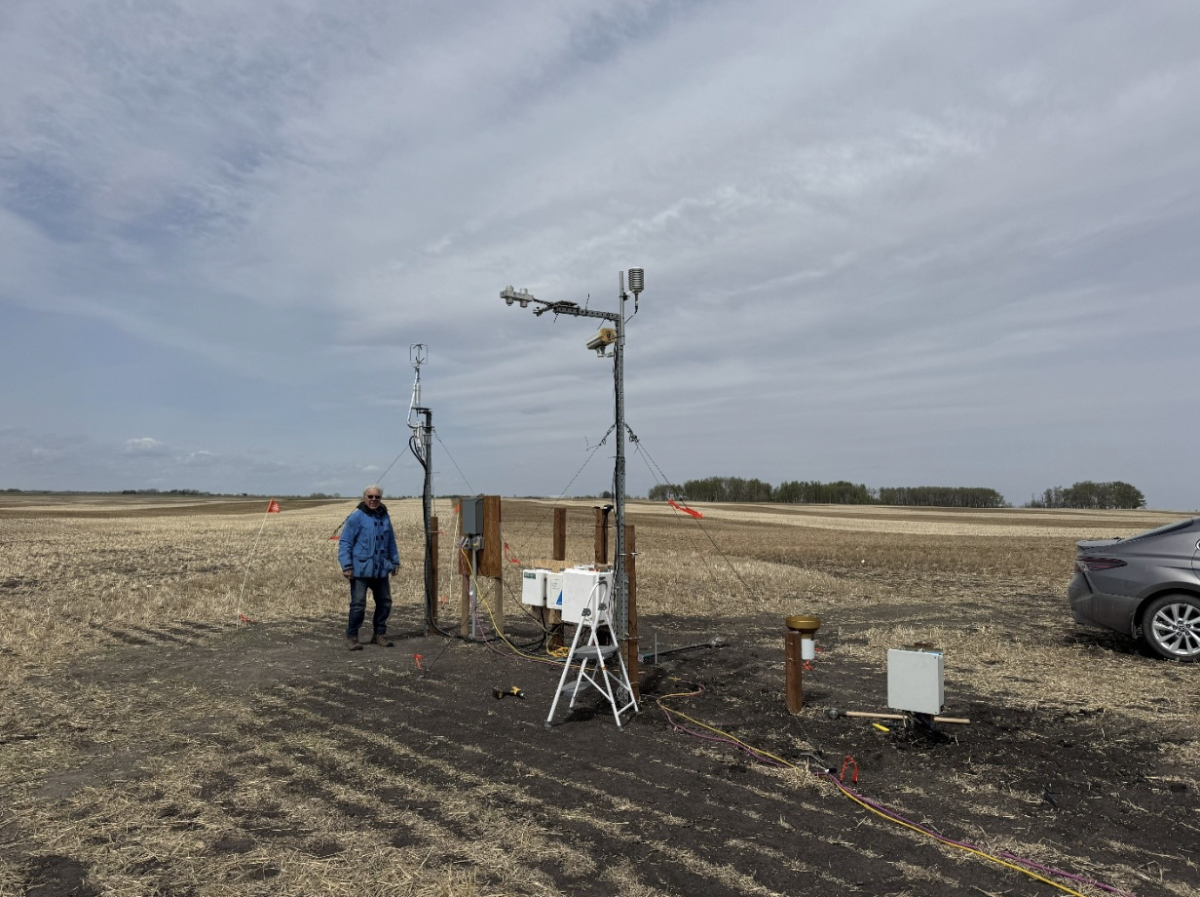
Figure 3. CanN20Net PI Andy black of UBC setting up micrometeorological equipment at Olds
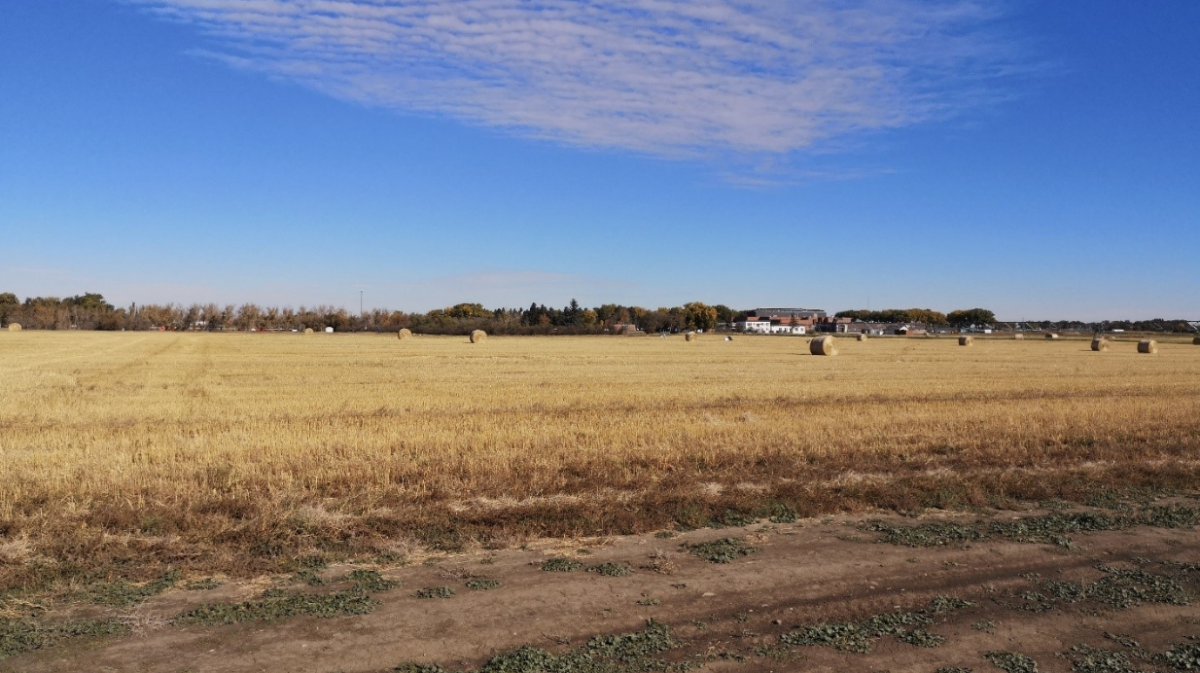
Figure 4. The CanN20Net research site in Lethbridge