
Stay on top of cereal diseases
A good portion of the agricultural area in the province has received abundant rain throughout the month of June. Though they improved soil moisture, rain and high humidity favour crop diseases. In cereal crops, foliar diseases impact yield by reducing photosynthesis on flag or penultimate leaves; head diseases impact grain yield and/or quality. Amid the moisture and potential disease pressure, scouting to stay on top of the diseases is the starting point of protecting your crops against them.
Many foliar diseases are favoured by high humidity and/or rain. In a year with above-average rainfall, the disease pressure can increase. Many of the foliar diseases start from the lower canopy, as they are closer to the inoculum (stubbles) and have a more humid microclimate. With high humidity, rain splash and mild temperature, the diseases may spread from lower to upper canopy and threaten the yield-crucial leaves.
Add the following diseases to your scouting list and keep track of their development. Be ready to apply foliar fungicides to control fungal foliar diseases when the disease threatens the flag leaf (wheat) or penultimate leaf (barley).
Wheat foliar diseases
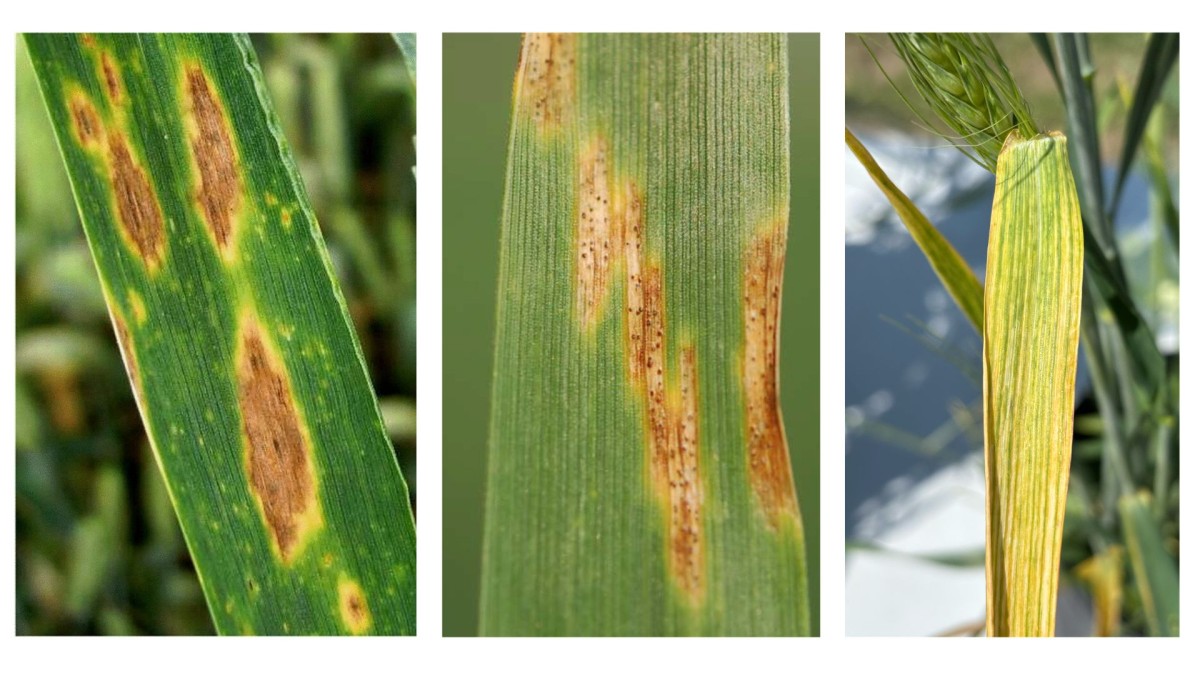
Figure 1: Left to right: Tan spot (source: https://www.researchgate.net/figure/Symptoms-of-wheat-plants-damage-by-the-Pyrenophora-tritici-repentis-tan-spot-pathogen_fig1_365700216); Septoria leaf spot (source: Ohio State University); Wheat streak mosaic virus (plant sample from Dr. Mike Harding).
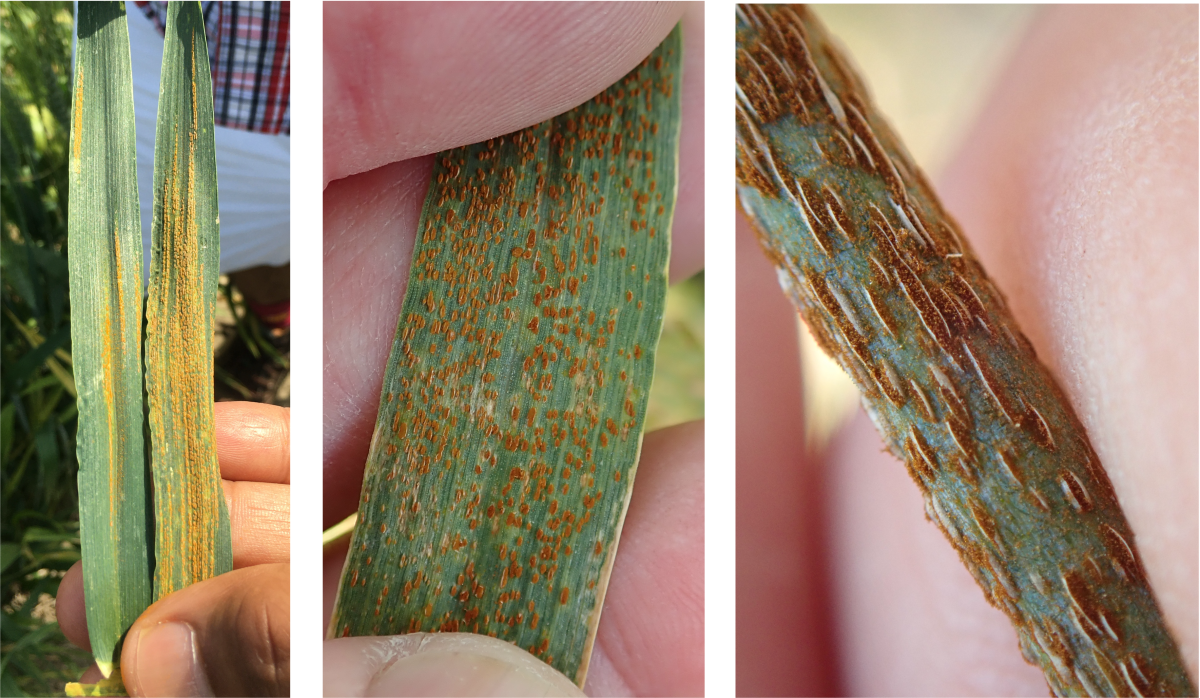
Figure 2: Left to right: Stripe rust, leaf rust, stem rust (AAFC Lethbridge stripe rust nursery; photo credit of leaf and stem rust: Dr. Kelly Turkington)
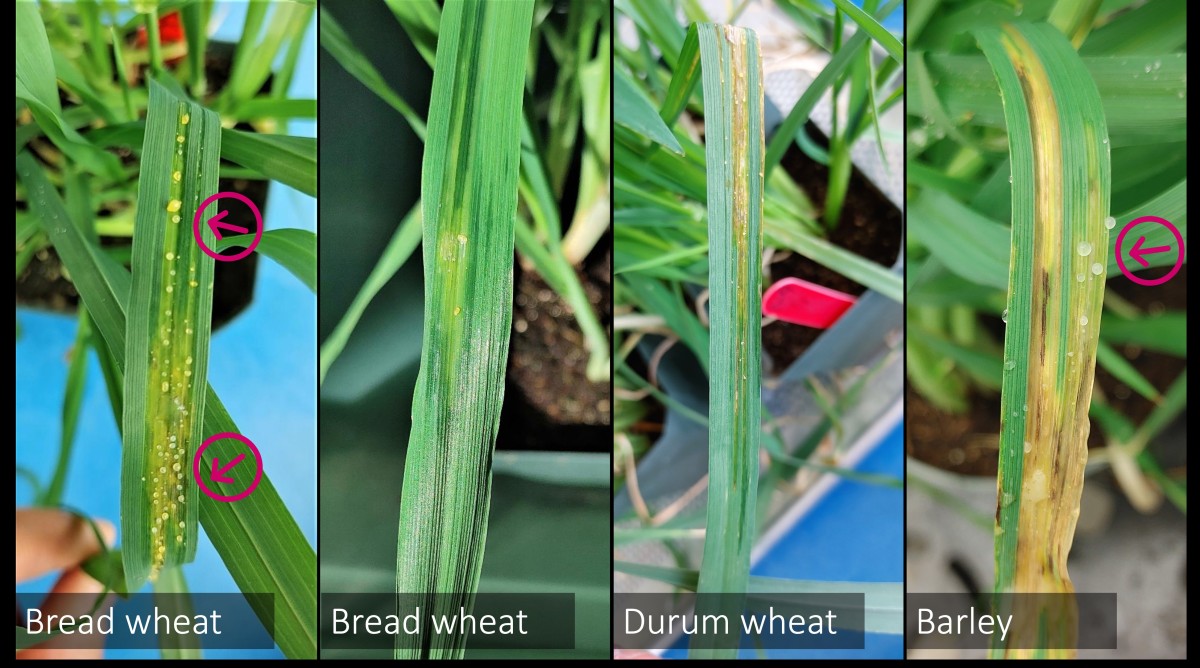
Figure 3: Bacterial leaf streak. Note the bacterial ooze in pictures. Photo credit: Dr. Maria Constanza Fleitas.
Barley-specific foliar diseases
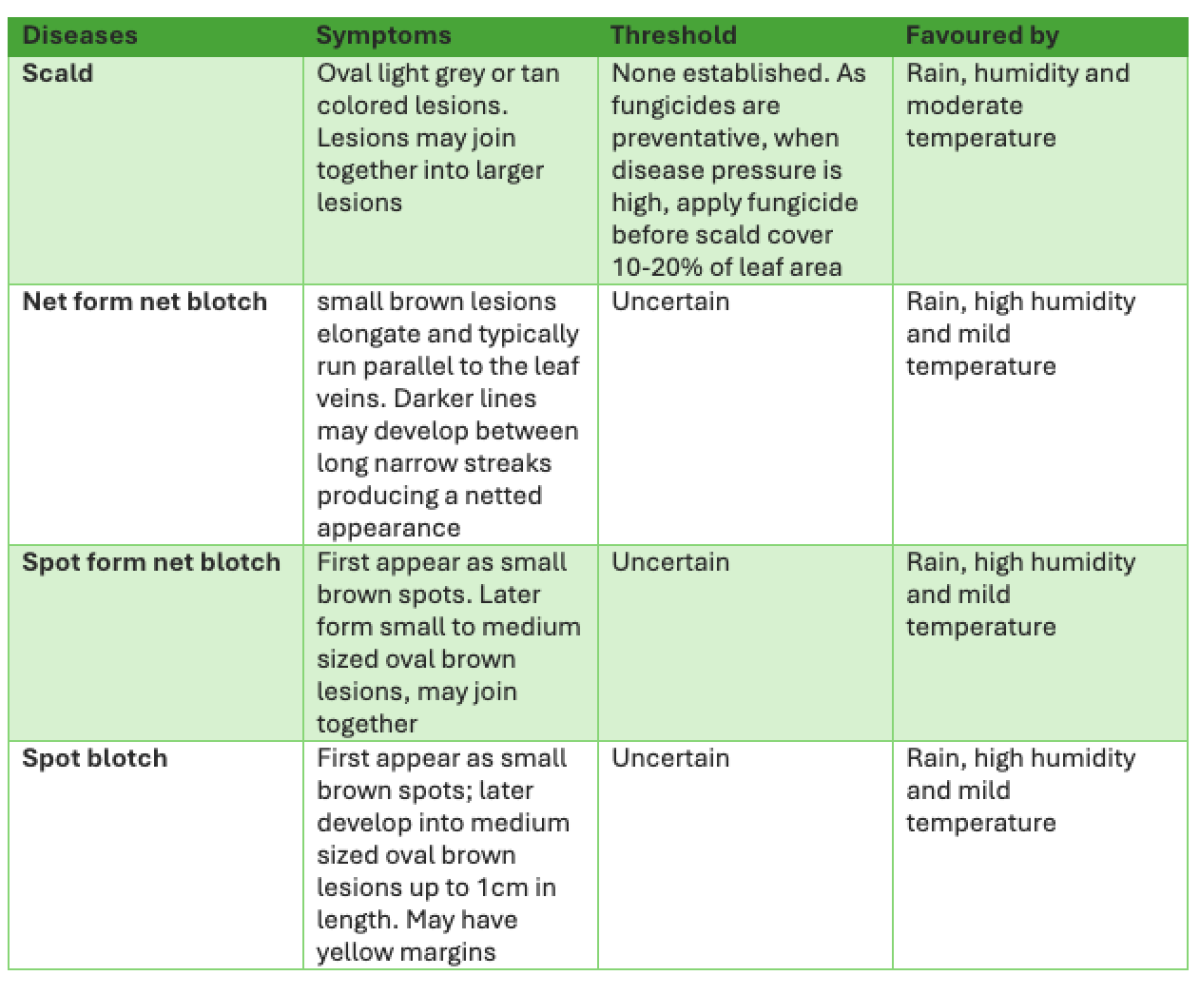
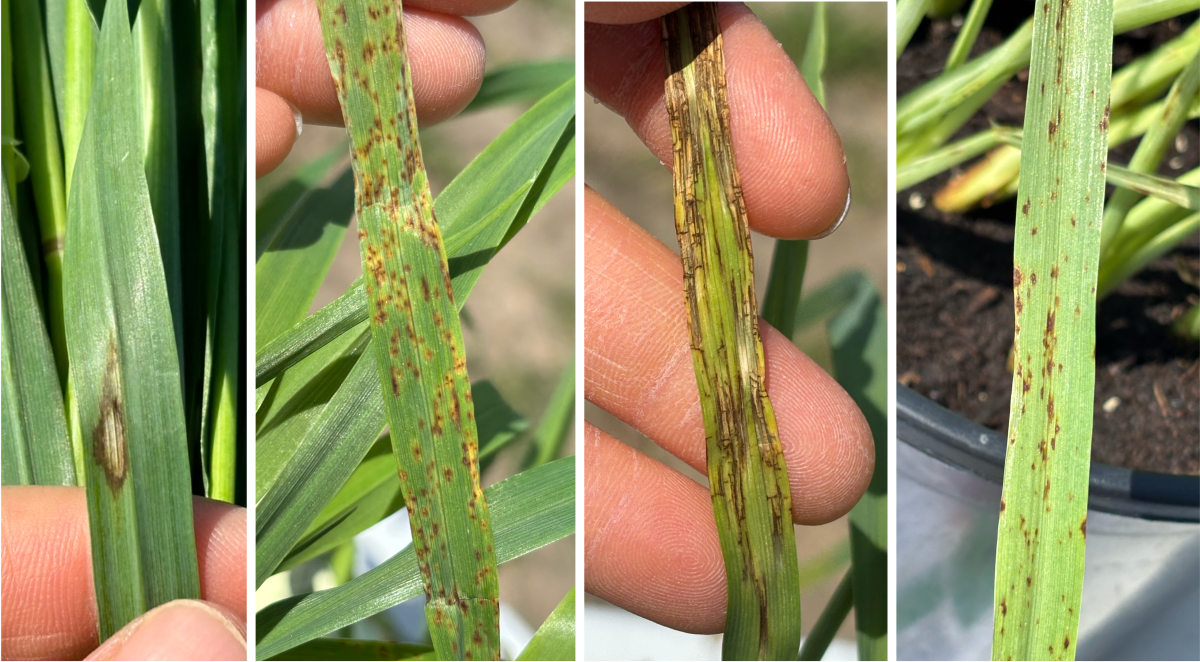
Figure 4: Left to right: Scald; Spot form net blotch; Net form net blotch; Spot blotch. (Plant samples from Dr. Mike Harding’s lab. Photo credit: Ruoxi Xia)
Head diseases
If wet, humid weather is still prevalent during heading and flowering, cereal head diseases may become a risk. Keep the following diseases on your scouting list.
To monitor the risk of an FHB outbreak, use a weather-based disease risk forecast tool such as the Prairie-wide Fusarium head blight risk mapping tool. Be ready to apply fungicides for FHB suppression if the risk is high. Besides weather conditions, the decision to spray may also depend on the level of resistance in the variety.
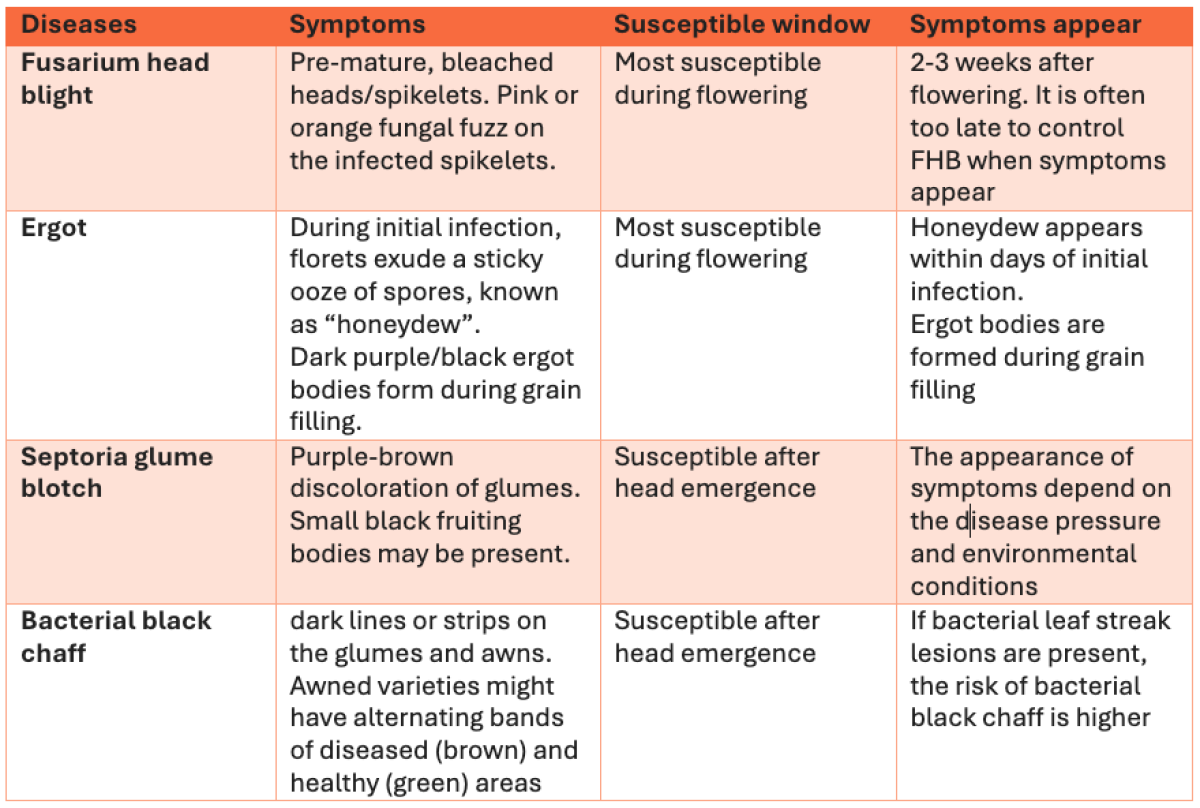
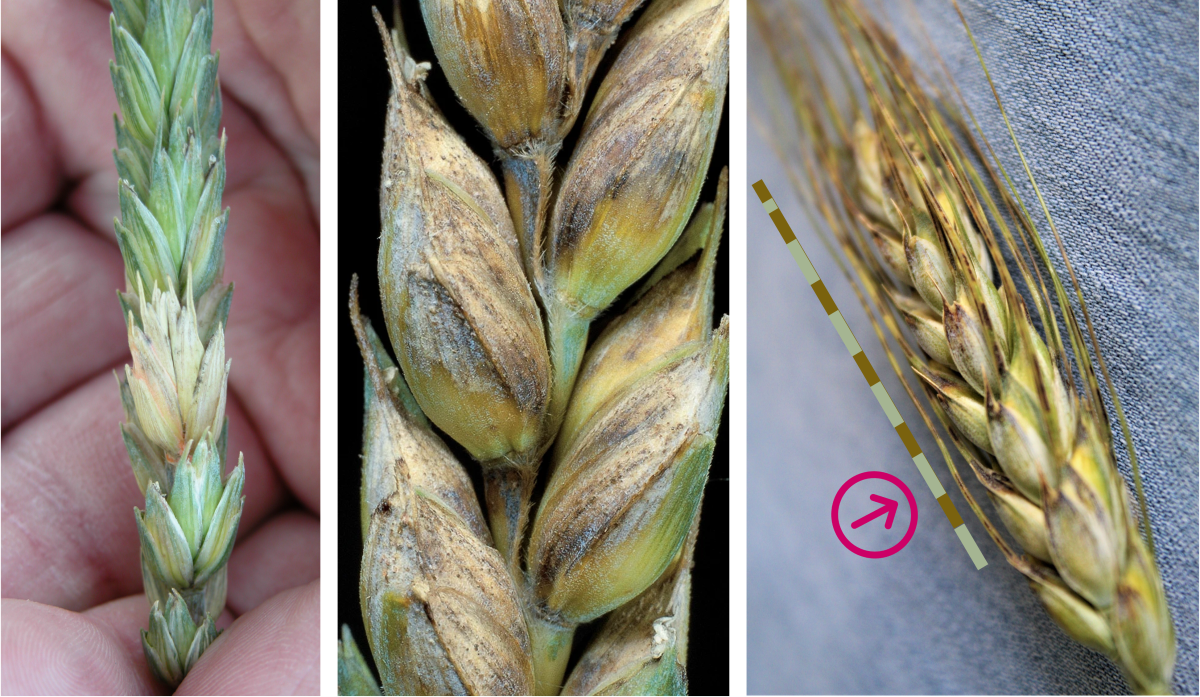
Figure 5: Left to right: Fusarium head blight with premature bleached spikelet (Photo credit: Dr. Kelly Turkington); septoria glume blotch (Source: Bayer Crop Science UK); bacterial black chaff (Photo credit: Dr. Maria Constanza Fleitas).
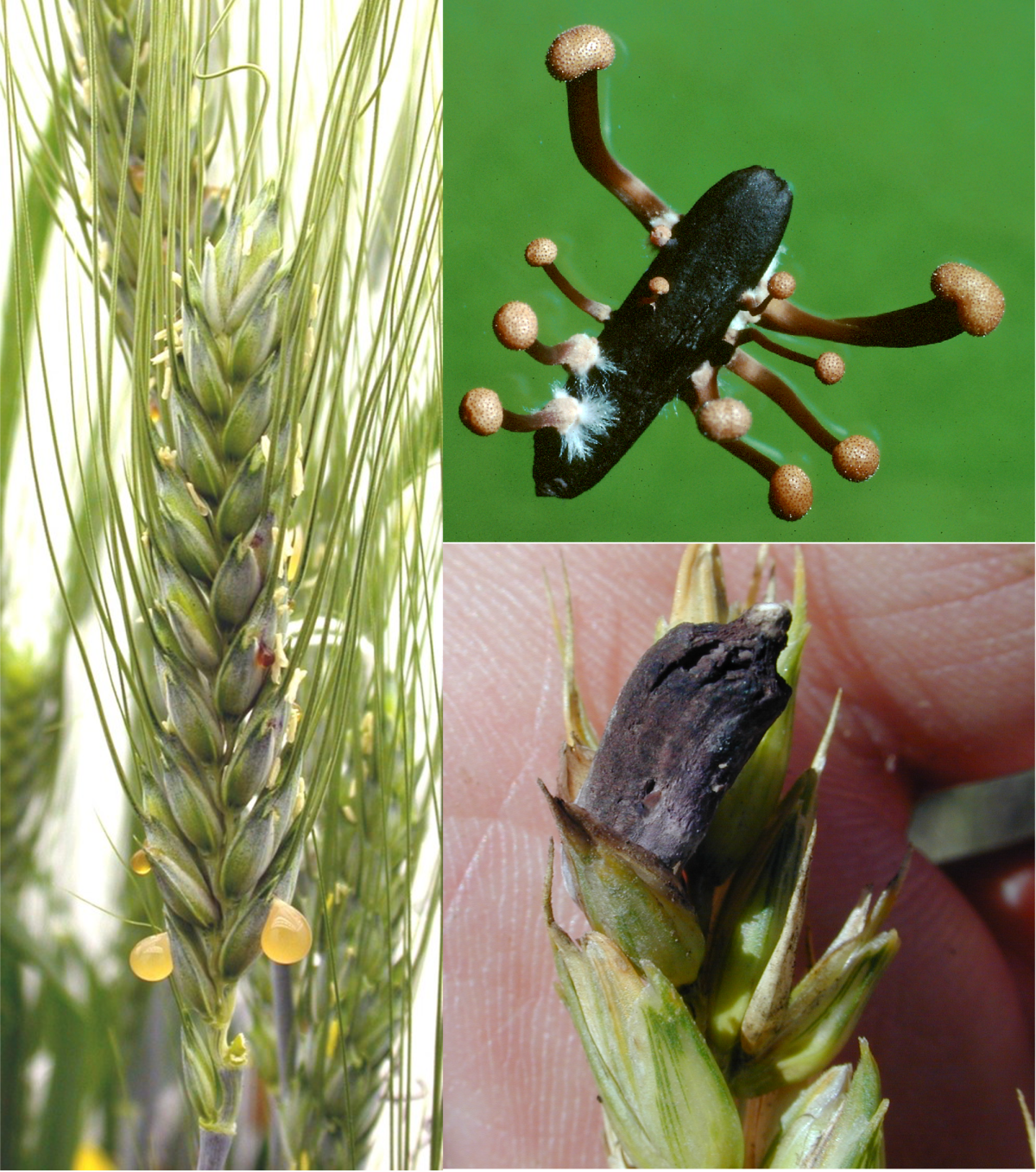
Figure 6: Ergot symptoms: honeydew (left); ergot body with apothecia (top right); ergot body on wheat head (bottom left)
Takeaways
- Many foliar and head diseases are favoured by rain, high humidity and mild temperatures. In a wetter year, it is especially important to actively scout for diseases and act proactively
- Fungicides are preventative. They are most effective when applied before a large-scale infection has occurred
- Use the tools such as Cereal Rust Risk report and FHB Risk Mapping Tool along with scouting to estimate the field-specific risks
Additional resources
Decision processes for barley fungicide application – Top Crop Manager
Disease Scouting Playing Cards – Prairie Crop Disease Monitoring Network
Septoria Leaf And Glume Blotch In Wheat, Barley, And Oats – Government of Manitoba